
Share this article
Follow us on Linkedin
As supply chains become increasingly connected and data-driven, organizations continue to seek greater planning agility, stronger collaboration, and more intelligent decision-making capabilities. With the SAP IBP 2605 release, SAP introduces a range of enhancements focused on real-time integration, enterprise data connectivity, supply planning modeling, and forecast efficiency. In this edition of Top 5 Highlights, we explore five key innovations that deliver the greatest business value and help organizations build more responsive and resilient supply chain planning processes.
1. Response & supply – Real-time integration for VMI
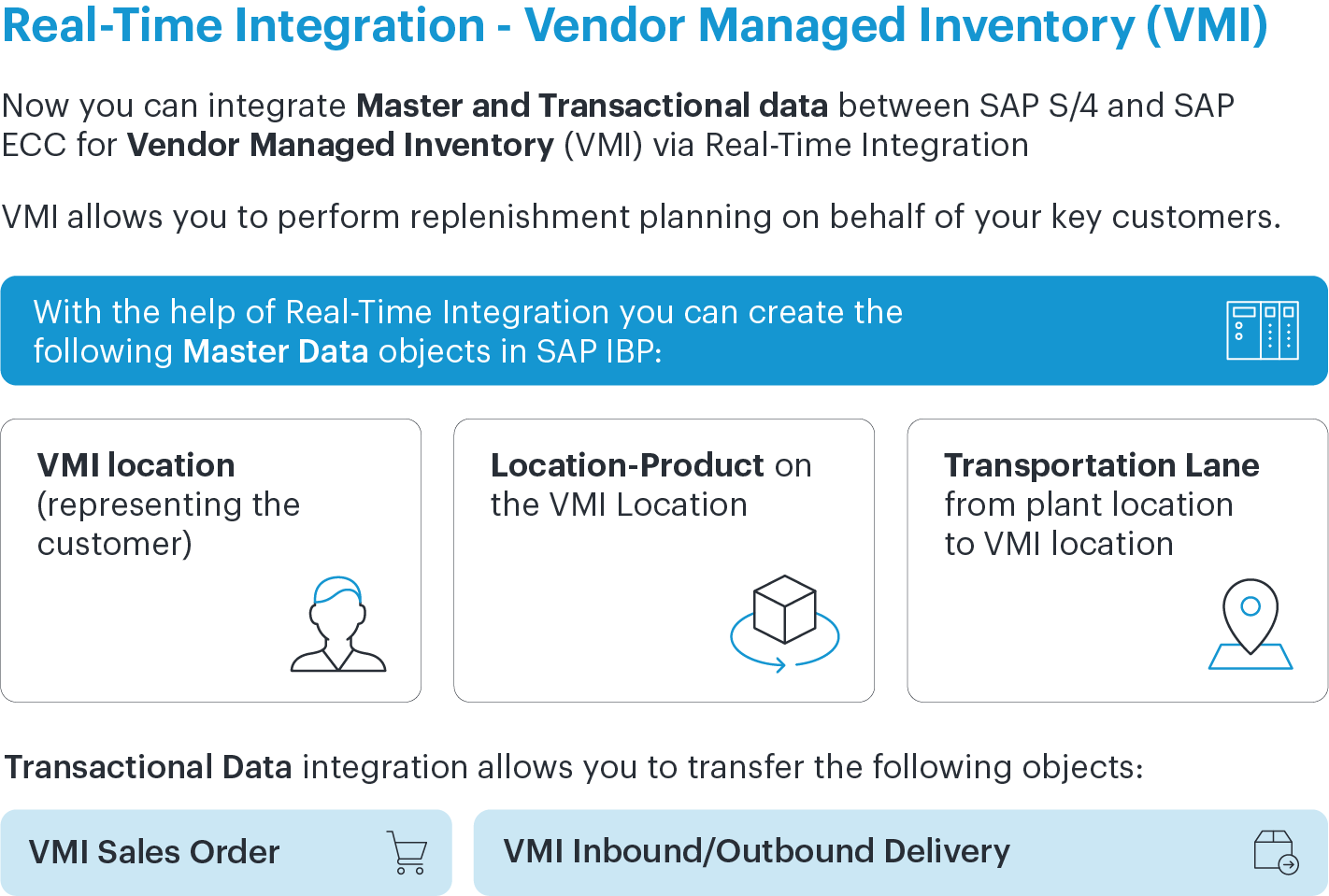
SAP IBP 2605 introduces real-time integration capabilities for Vendor Managed Inventory (VMI) scenarios. Through direct integration with SAP S/4HANA and SAP ECC, IBP can now synchronize both master and transactional data related to VMI, including VMI Locations, Location Products, Transportation Lanes, Sales Orders, and Deliveries.
This enhancement enables companies to perform replenishment planning based on real-time customer inventory and order information, reducing information latency and improving collaboration across the supply chain. For organizations operating VMI programs, it provides greater inventory visibility, faster response times, and improved service levels.
2. Response & supply – Gating factor minimum delay
SAP IBP 2605 introduces the concept of Minimum Delay for Gating Factors, along with new related key figures.
Previously, planners could identify constraints affecting demand fulfillment, but it was often difficult to determine which constraint had the greatest impact on delayed demand satisfaction. The new functionality calculates the minimum delay caused by an individual constraint, making it possible to quantify the contribution of each bottleneck to overall demand delays.
With this enhancement, planners can more quickly identify the root causes of unmet demand, focus on the most critical constraints, and prioritize corrective actions more effectively. As a result, demand satisfaction analysis becomes more transparent and decision-making becomes more efficient.
3. Data integration – SAP Datasphere enhancement
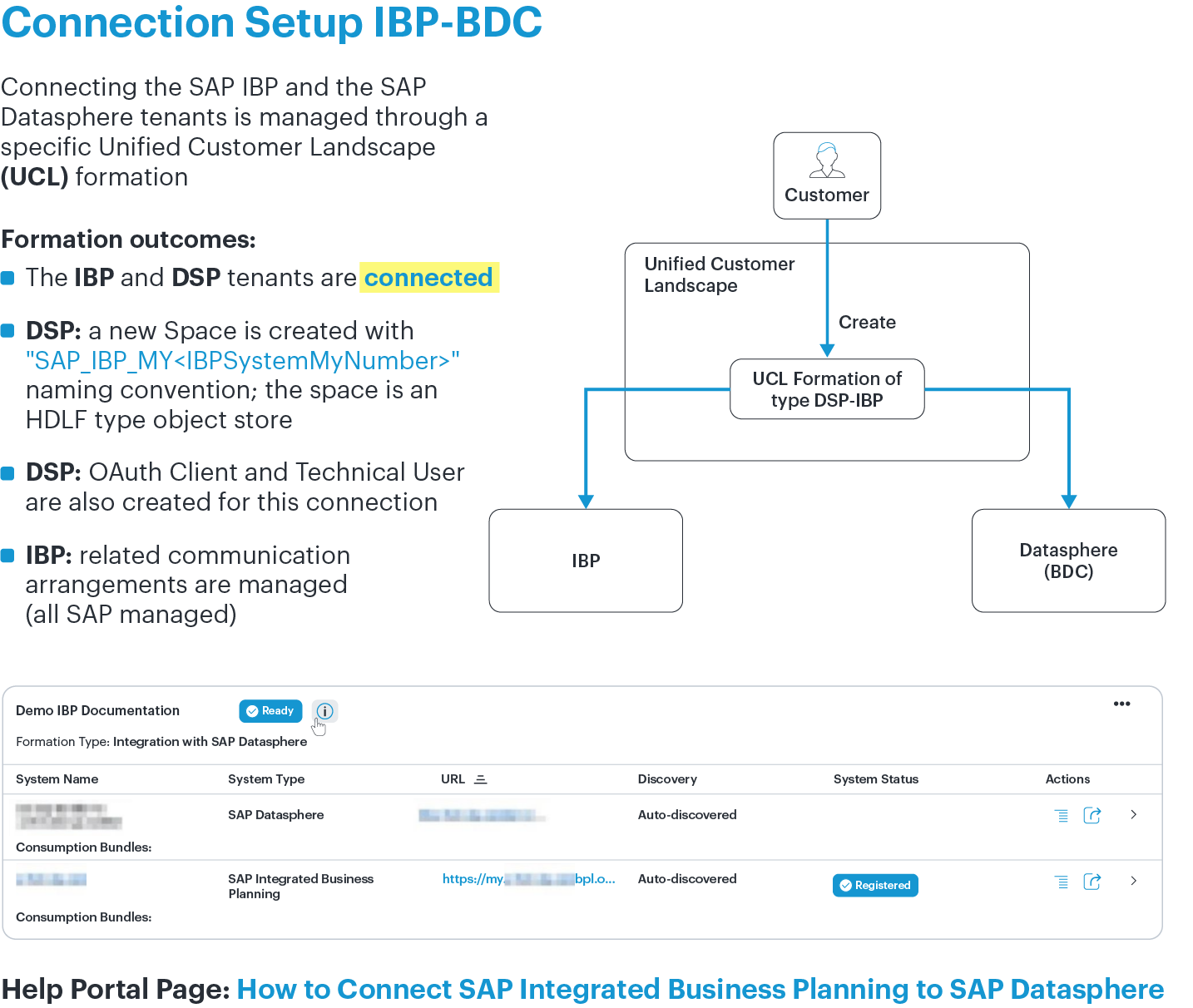
SAP IBP 2605 significantly strengthens its integration with SAP Datasphere by introducing a new integration approach based on SAP Business Data Cloud (BDC). Organizations can now establish connections between IBP and Datasphere in a more standardized and automated way, enabling the extraction of key business data such as Key Figures, Master Data, Forecasts, Detailed Pegging information, and Gating Factors.
Compared to traditional middleware-based integration approaches, this enhancement simplifies data integration, improves governance, and increases data accessibility. More importantly, it represents a key step in SAP’s Business Data Cloud strategy, providing a unified data foundation for analytics, SAP Analytics Cloud reporting, Databricks integration, and future AI-driven use cases.
4. Planner workspace – statistical forecast simulation
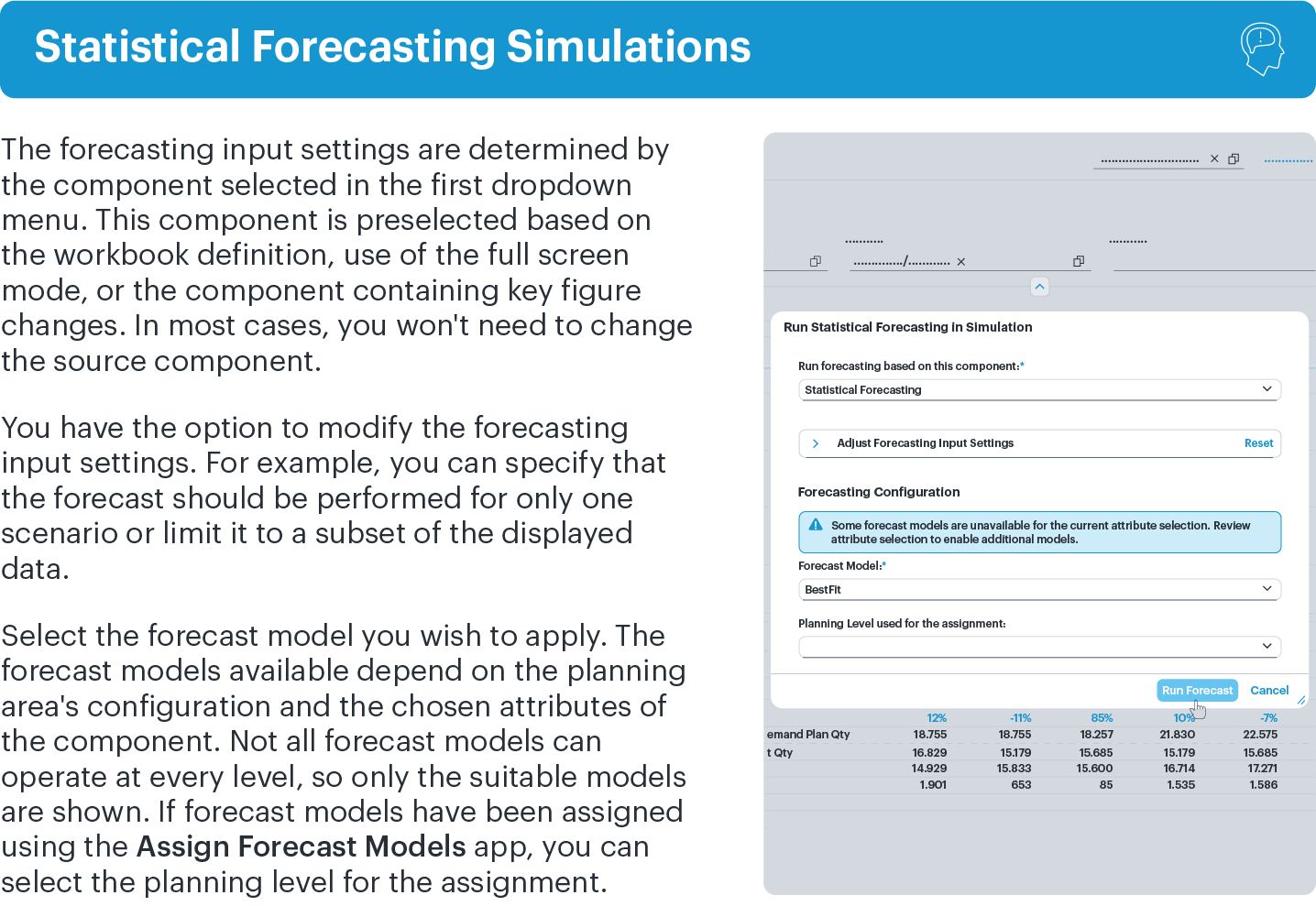
SAP IBP 2605 introduces Statistical Forecast Simulation directly within Planner Workspace.
Demand planners can now run forecast simulations and compare different forecasting models and parameter settings without impacting official planning data. The simulation results allow planners to evaluate alternative forecasting scenarios and perform what-if analysis in a more flexible and controlled environment.
This enhancement accelerates forecast evaluation and model testing while reducing the risk of modifying productive planning data. It helps planners make better-informed forecasting decisions and improves overall planning efficiency.
5. PDS header validities
PDS Header Validities is one of the most significant modeling enhancements delivered in SAP IBP 2605 for Response & Supply.
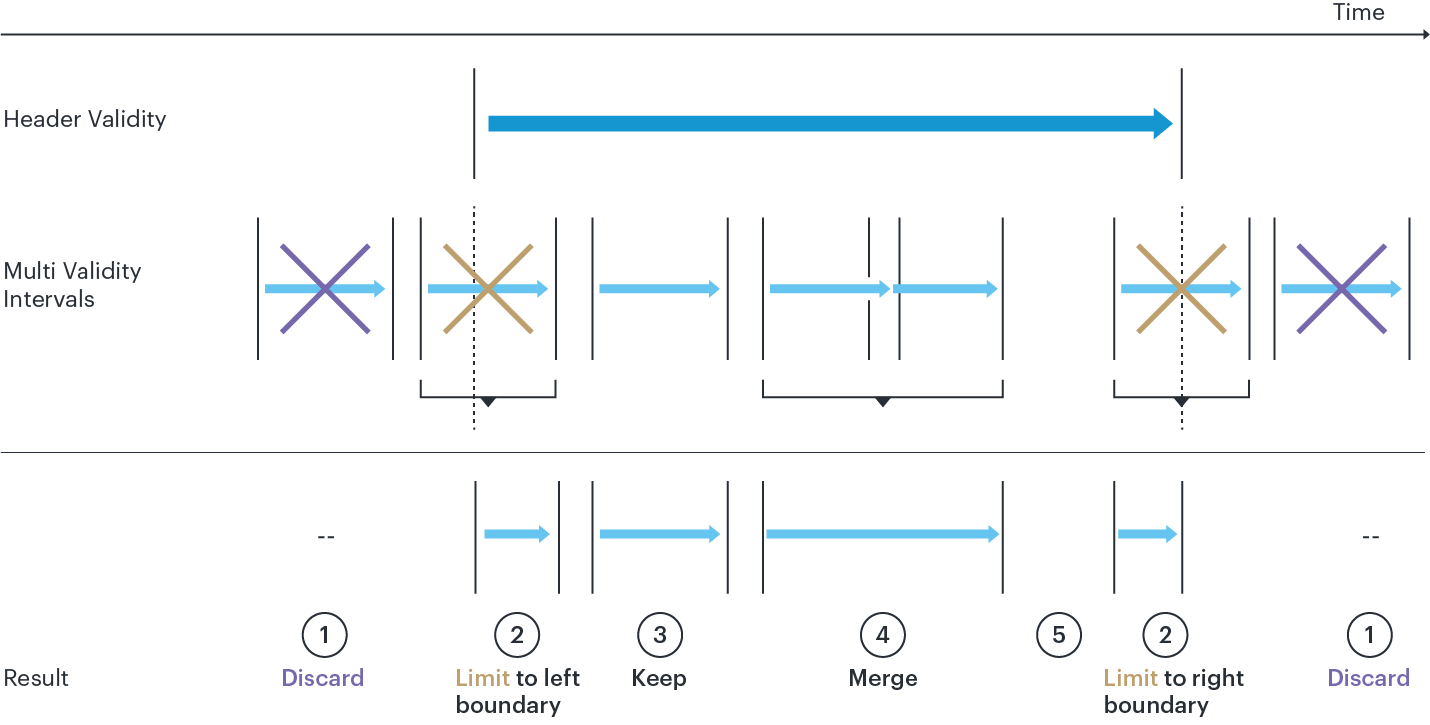
In previous releases, a Production Data Structure (PDS) could typically maintain only a single validity period. When businesses needed to model seasonal production, plant shutdowns, supplier transitions, contract manufacturing periods, or time-dependent capacity changes, multiple duplicate PDS objects often had to be created and maintained.
With SAP IBP 2605, a single PDS can now contain multiple validity periods. During Finite Heuristic and Optimizer planning runs, the system automatically selects the appropriate source of supply based on the validity period.
This enhancement reduces master data maintenance effort, improves model flexibility, and enables supply planning models to more accurately represent real-world business scenarios. It is an important step forward in supply planning modeling capabilities.
Please note that this reflects the current state of planning and may be changed by SAP at any time. For the final delivered changes, refer to the official SAP Community newsletter.