From SCM EWM to S/4HANA EWM.

Why Westernacher? Because we deliver success:

Customer Success Story_____________

Carlsberg Britvic’s remarkable digital transformation in its warehouse operations.

Driven by the rising customer expectations and market demands, Carlsberg Britvic, a prominent British soft drink producer, recognized the need to transform the warehouse management system for their UK and Ireland warehouse operations. In response, they opted for SAP EWM and partnered with Westernacher Consulting for the implementation. These choices proved to be highly rewarding, resulting in remarkable improvements across their warehouse operations. The implementation of SAP EWM led to significant gains in efficiency, productivity, visibility, and automation within the warehouse, ensuring that Carlsberg Britvic’s warehouse operations are future-proofed and equipped to meet evolving industry demands.

What are the steps for your migration from SCM EWM to S/4HANA EWM?

1

5

Pre-requisites

SIT / UAT

Depending on the Migration Landscape, we work through the pre-requisites and plan together for the sandbox migration. This is where you decide if any new functionality available in the new release is to be leveraged. The Change Management approach should also be decided in this phase.
The new solution and integration with third-party systems are tested and accepted during system integration testing. Test scenarios for performance and user acceptance tests are created and executed by the business users.

2

6

Preparation

Documentation

The project is initiated and planned in this phase – bear in mind that effort will increase based on the amount of new functionality you decide to implement during the migration. In the first joint workshops, necessary details about the task and the challenges and goals are defined. The procedure, roles and responsibilities are identified, and the project kicks off.
This phase is the formal conclusion in which all relevant specifications and documentation are finalized and handed over.

3

7

Migration

Migration to Production

The formal project launch for the team takes place and the specific migration activities are carried out in the sandbox or development system.
The tested solution is promoted to the production system and users are allowed access to start using the upgraded functionality. There should be a period of hypercare to closely support the business during this time and help them get familiar with any new ways of working or new UI like Fiori Apps.

4

8

Post-migration

Overall Timeline

In this phase, the elements required for operational use, such as worklists, roles, UI and others, are finalized and everything is prepared for System Integration Testing and User Acceptance Testing.
This depends on the approach chosen and how much new functionality you are leveraging. For a straight-forward migration, the usual timeline is 14-16 weeks for the pilot warehouse and additional 3-4 weeks for each subsequent warehouse.
Customer Success Story_____________

Norgren implemented S&OP to refine demand planning.

Norgren, part of IMI, needed to improve the demand planning process in order to enhance customer service and provide them with top-notch, on-time delivery and to give the suppliers a better forecast. To achieve this result, Westernacher Consulting supported Norgren who successfully implemented a sustainable Sales & Operations Planning (S&OP) system.

What to consider when moving from SCM EWM to S4HANA EWM.

SAP Logo

SAP Extended Warehouse Management e.g. 7.0 – 9.5

Arrow blue
SAP Logo

SAP Decentralised EWM on S/4HANA

This type of system migration is supported extensively by SAP with different tools. If no additional functionality is implemented, it requires minimum retraining and testing effort. Based on Westernacher’s extensive experience of successful EWM migration projects globally, below are some key considerations that we have found.

Process Transformation

  • Replace custom code with standard functionality wherever possible – agree this
    before starting so the effort for activating, testing and training can be included.
  • New functionality? introducing new functionality during the upgrade can increase the timeline and effort – assess the impact and decide if this is needed immediately or can be done after the upgrade.
  • Estimate impact of process and system changes on scope and timeline

Technical Considerations

  • Analyze custom code – this will give a better indication of timeline and effort for conversion and testing.
  • Validate the upgrade with a sandbox implementation
  • Data model compatibility between legacy EWM and S4HANA systems, especially in the case of overlapping customer/vendor number ranges. Analyse data prior to upgrading.

Change Management

  • Manage process and system changes through superuser and user training and build
    enough time for training into the plan, especially if you are implementing new
    functionality or processes
  • Ensure existing work instructions are updated to reflect any new functionality
    or ways of working

Project Dependencies

  • Include any dependency on the timeline of other programs that may be running
    at the same time and assess the impact they may have on your upgrade
  • Make sure you have EWM expertise in your upgrade team

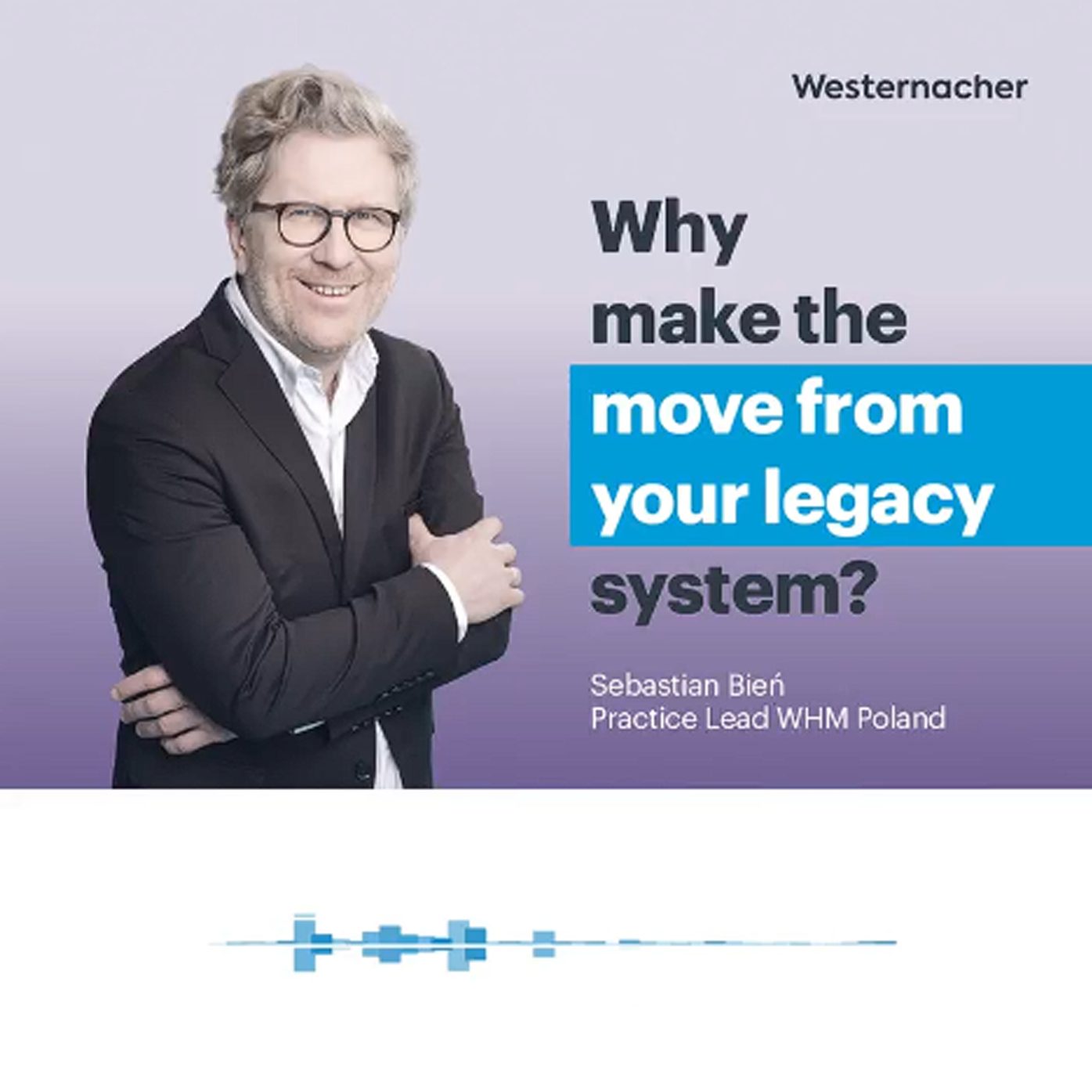
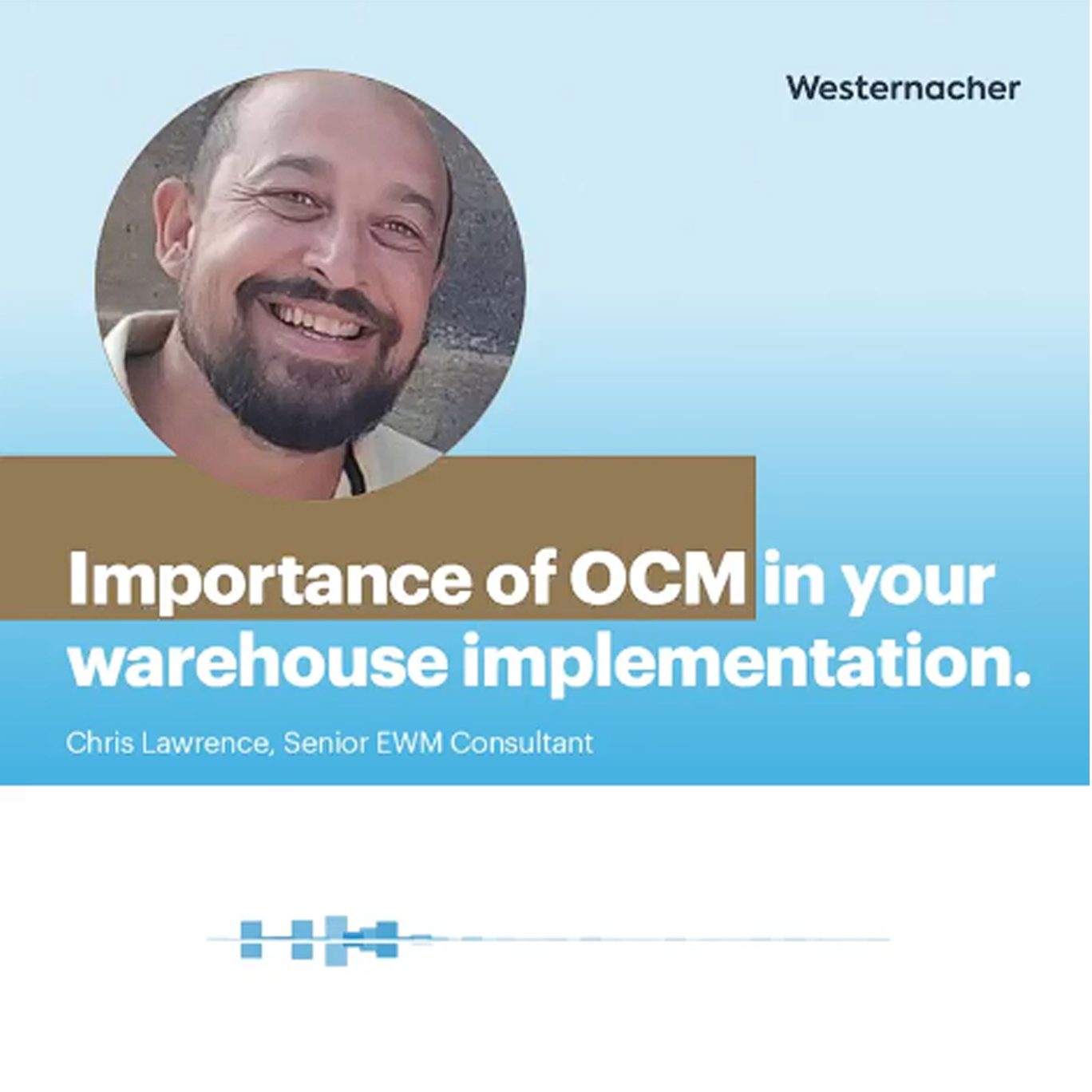
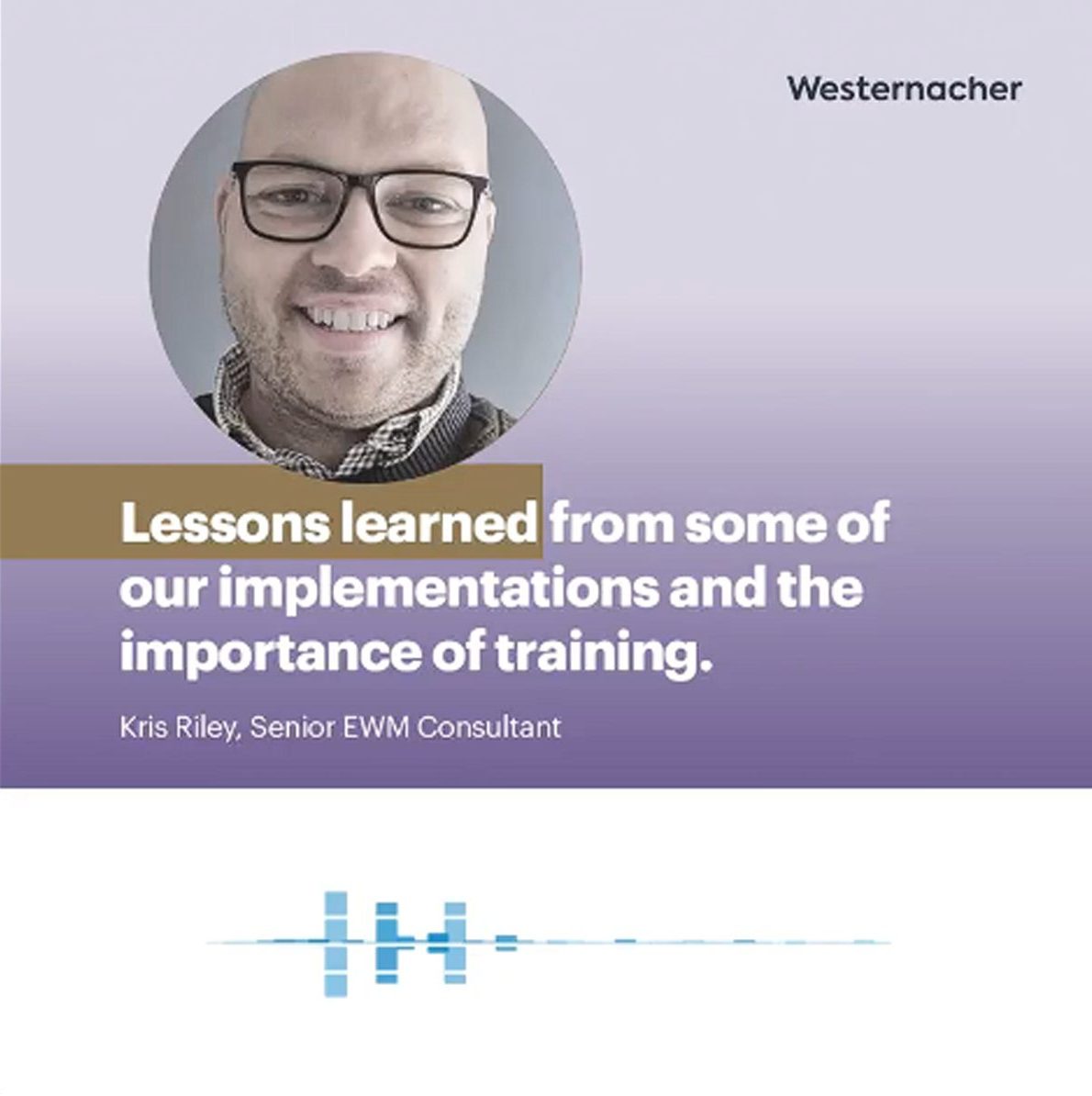
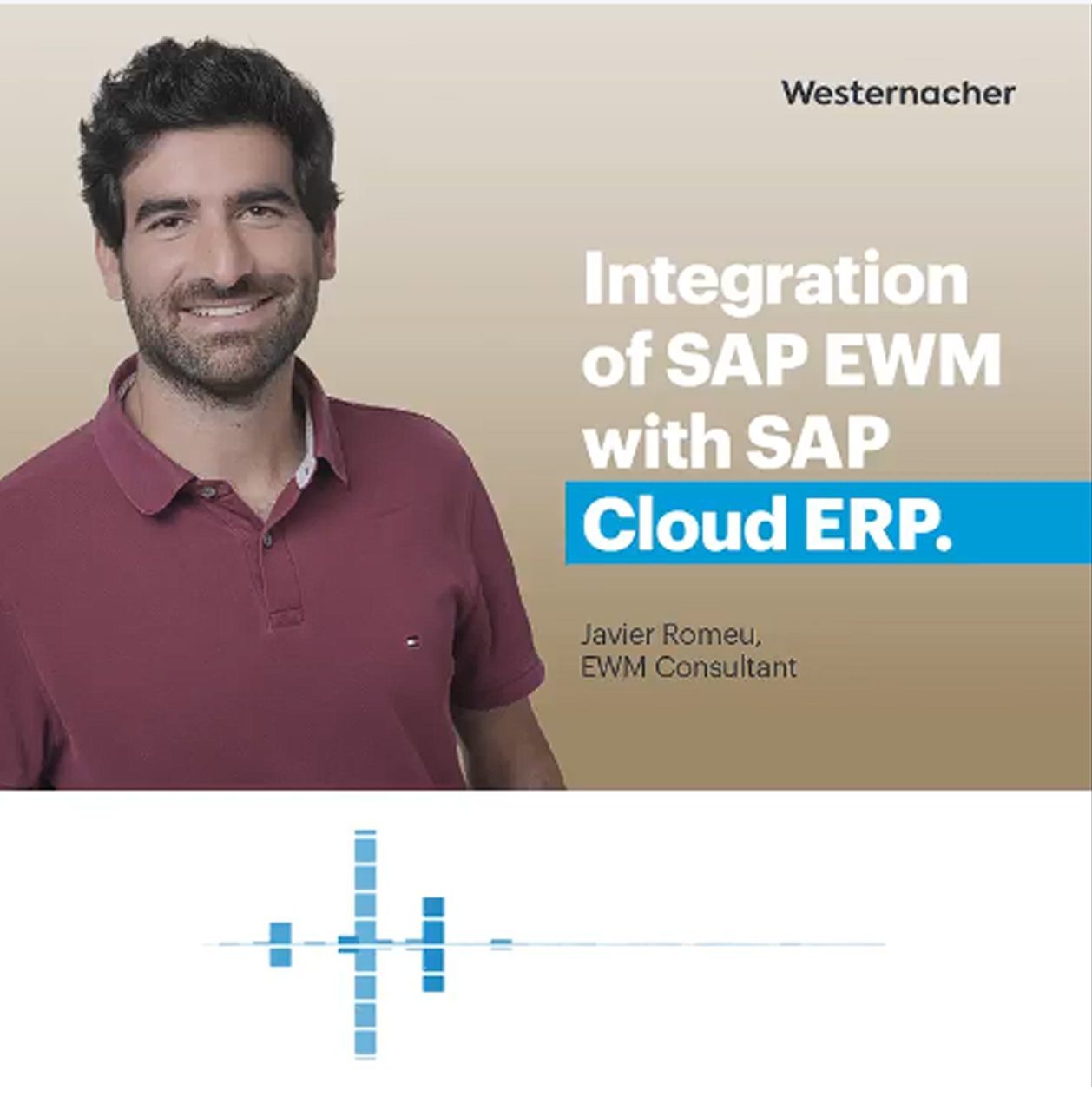
The recordings.

sebastien thumbnail
Chris Lawrence thumbnail
Kris Riley thumbnail e1777990081335
Javier Romero thumbnail e1777989921817
Capabilities
Inspiration
Responsibility
People
We
Choose your language

Write to us​ .

Capabilities
Inspiration
Responsibility
People
We
Choose your language

Use of cookies

Westernacher uses cookies to provide you with a more responsive and personalized service. By using this site you agree to our use of cookies. Please read our cookie notice for more information on the cookies we use and how to delete or block them.